A Pan-African Poetry Anthology
THE OLD MAN
THE OLD MAN
& THE BEASTS
A testimony of voices rising against silence in Africa
Submissions Close: 31st August 2026
A testimony of voices rising against silence in Africa
Submissions Close: 31st August 2026
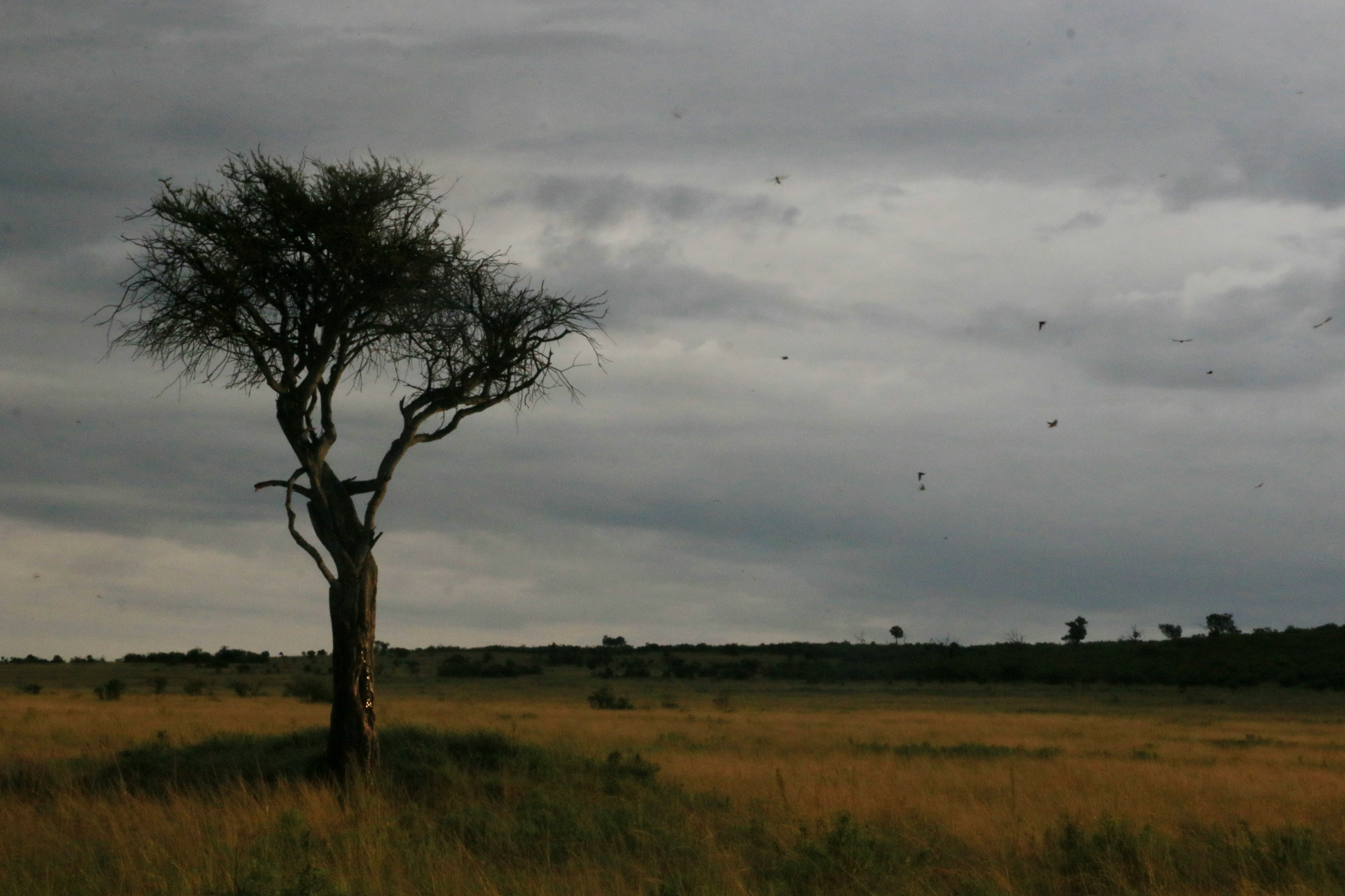
The Old Man stands as a symbol of Africa itself; ancient, wise, wounded, and enduring. He is the embodiment of the continent's long memory: its empires, kingdoms, cultural wealth, intellectual traditions, and spiritual depth.
Yet he is also the bearer of scars; colonial wounds, political betrayals, economic plunder, and social disillusionment. His back is bent not by age alone, but by the weight of centuries of extraction, enslavement, and ideological domination.
He embodies paradox: Africa is rich in natural resources yet suffers from poverty, debt, exploitation, and capital flight. He lives in a house full of gold, yet lacks the means to repair its crumbling walls.
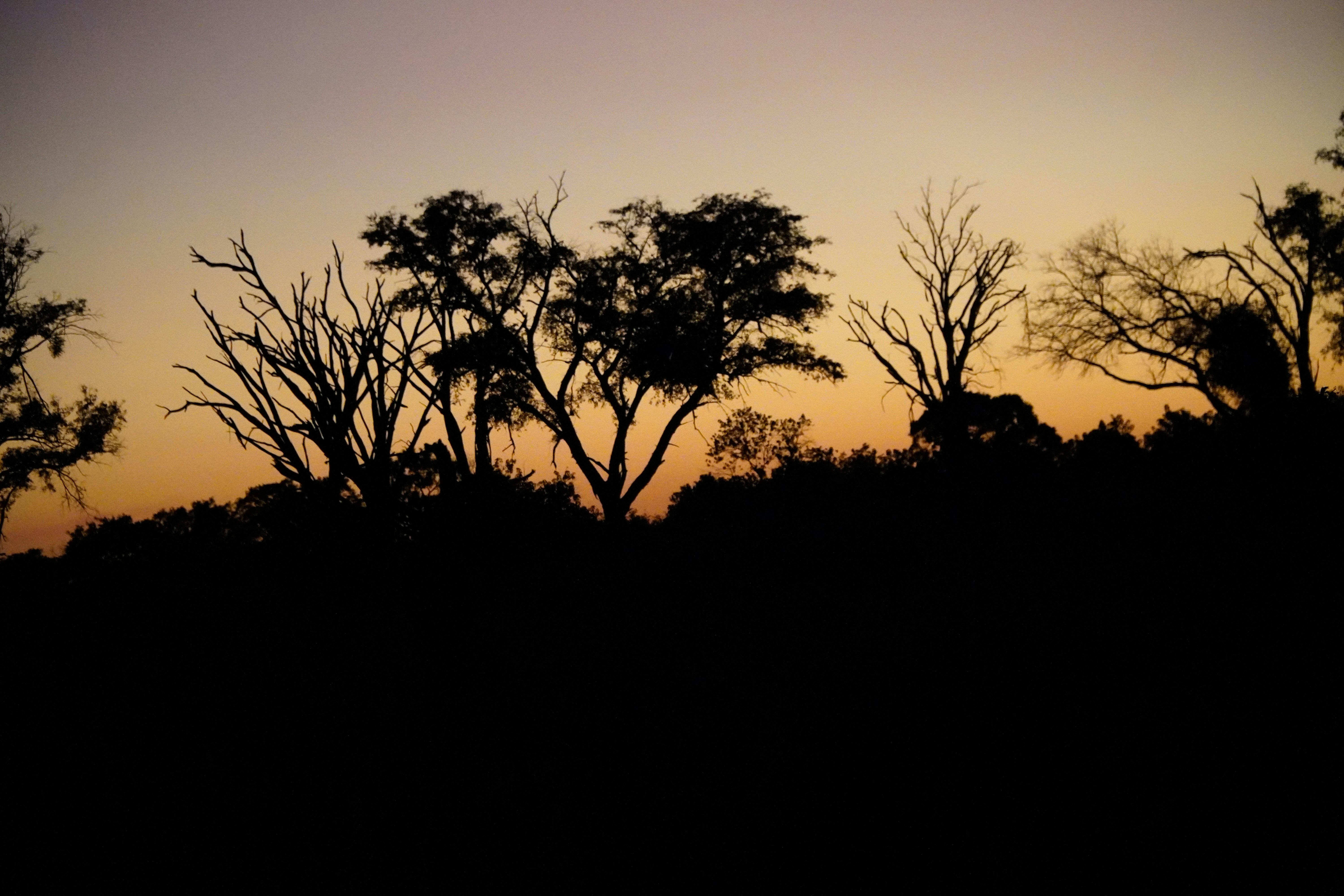
The Beast is the dark, corrosive forces that have crept into and devoured the beauty of Africa's political space. It is not a single creature but a constellation of destructive impulses; corruption, greed, impunity, violence, exploitation, and the hunger for power without accountability.
It slithers through the corridors of government, disguising itself as leadership while feeding on public trust. It distorts democracy into a theatre of survival, where elections become rituals of manipulation.
What makes the Beast most dangerous is its ability to regenerate, shape-shifting across generations, wearing the faces of liberation heroes turned dictators, technocrats turned looters, and new elites who mimic the old oppressors.
This project re-imagines Africa's story, giving voice to both the wounded and the hopeful.
Contributors are invited to explore these themes through diverse lenses and personal experiences.
Corruption, the illusion of democracy, and the cycles of power mimicry.
Historical memory, colonial wounds, and the pursuit of dignity.
Voices rising against oppression, revolution, and the hope for renewal.
Amplifying marginalized voices in Africa's political discourse.
African stories from beyond the continent, bridging distance with identity.
Symbolism of animals, ancestral wisdom, and traditional narratives.
Open to all interpretations and perspectives
Encourage creative engagement with African political consciousness through poetry.
Promote intercontinental collaboration and unity through shared artistic expression.
Strengthen Africa's presence and voice in global literary conversations.
Provide valuable material for educators, researchers, and students of African studies.
Open to all African poets both on the continent and in the diaspora, regardless of age or experience level.
Submit 1-3 original, unpublished poems, each not exceeding 40 lines. Poems may be written in English or any African language (if in an African language, please include an English translation).
Submit in Word format (.doc/.docx), Times New Roman, 12pt, single-spaced. Include your name, country of residence, a short bio (max 100 words), and contact email.
Email your submission to submission@theoldmanandthebeast.com with subject line: 'Submission-The Old Man and the Beasts'.
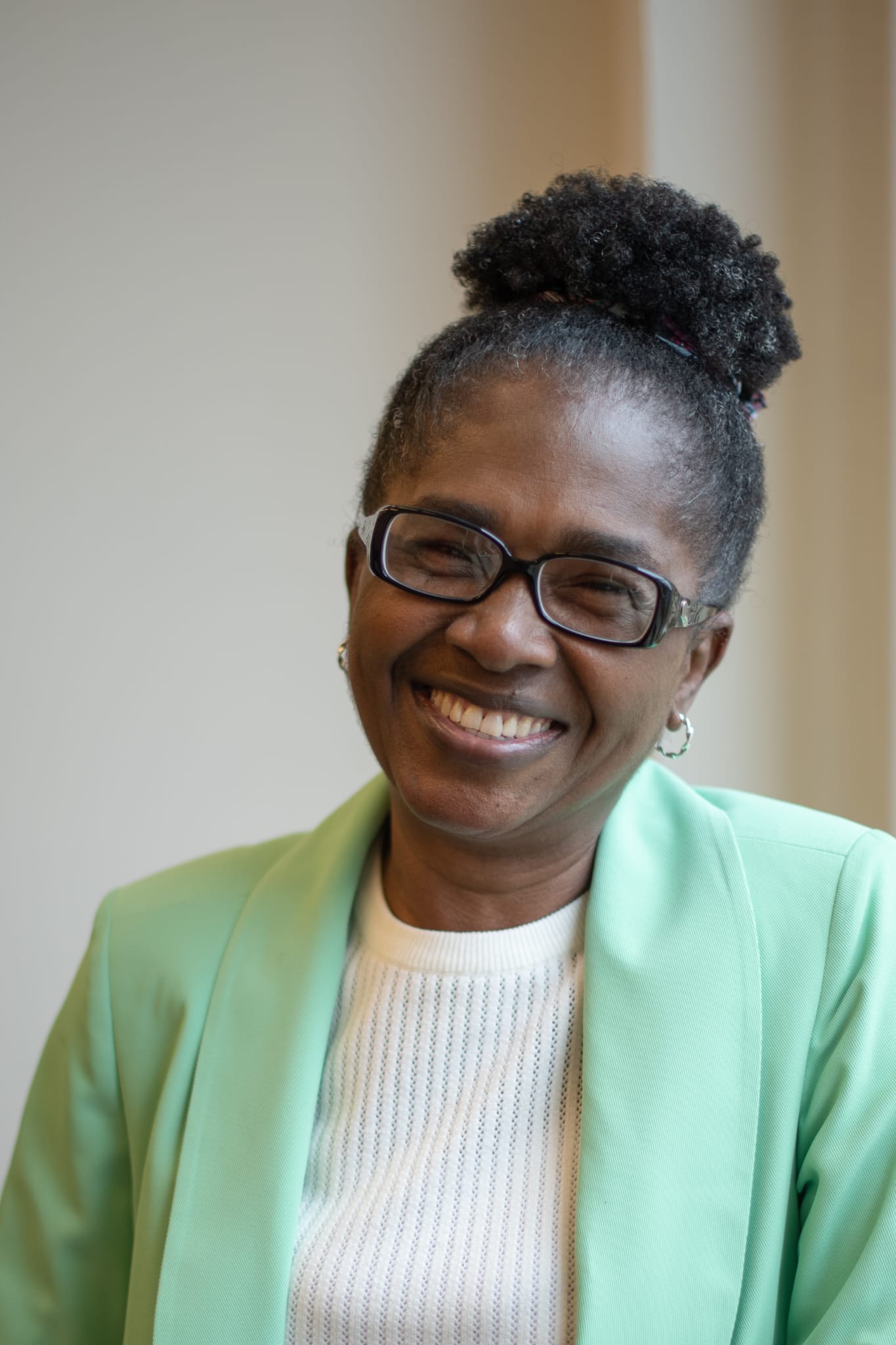
Oluchi Igili (PhD) is a poet, scholar, and Legislative Theatre practitioner whose work confronts the ongoing plunder and internal complicities shaping African realities. For over two decades as a university teacher, Oluchi has resisted neutral scholarship, instead advancing theatre and poetry as insurgent tools for truth-telling, civic disruption, and collective awakening. Her practice in Legislative Theatre mobilises marginalised communities to challenge power and reimagine governance from below. Her poetry is unflinching, interrogating betrayal, memory, and resistance in the face of systemic decay. Across page and stage, Oluchi insists on art not as ornament, but as a weapon in the struggle for justice and self-determination.
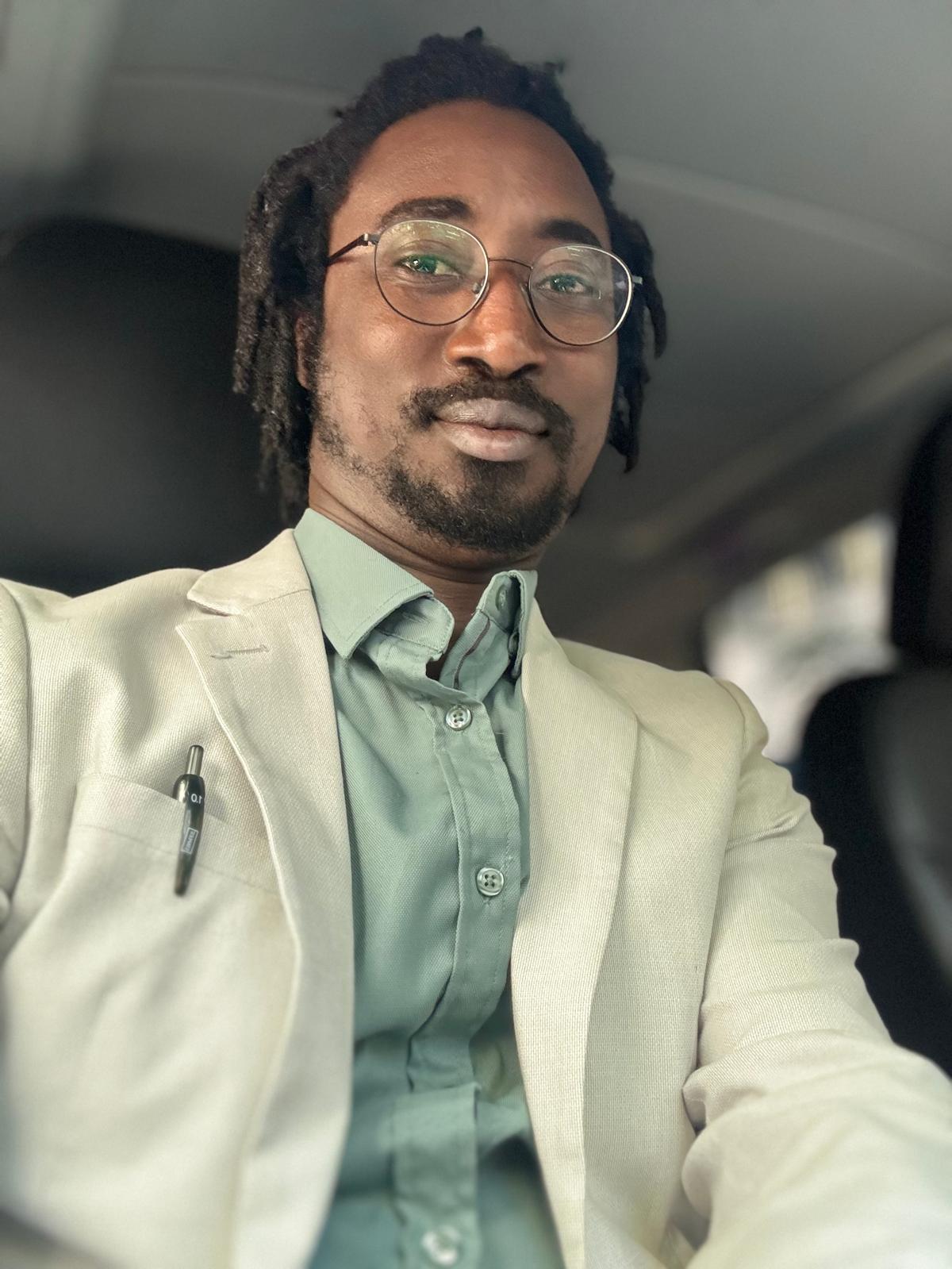
Tunmise Olupona is Lead Consultant at Joint Heirs Edu World and a passionate curator of Pan-African narratives, bridging traditional storytelling with contemporary literary forms. A distinguished linguist, poet, cultural advocate, and educator, his work advances language literacy and global engagement. His experience spans translation, interpretation, and academic instruction, including collaborations with international scholars through exchange programmes. He has contributed to the preservation and accessibility of indigenous knowledge across diverse contexts. His scholarly interests focus on language development, terminology, and literacy at the intersection of culture and education. He remains committed to promoting African languages as vital vessels of identity, heritage, and enduring knowledge.
Accepted works will be professionally edited and compiled under the supervision of the editors. Contributors will receive digital copies of the published anthology, with printed copies available upon request. Selected poems may also feature in festivals and media promotions.
Publication: Q4 2026 - Print & DigitalHave questions about the anthology, partnerships, or sponsorship opportunities? We'd love to hear from you.